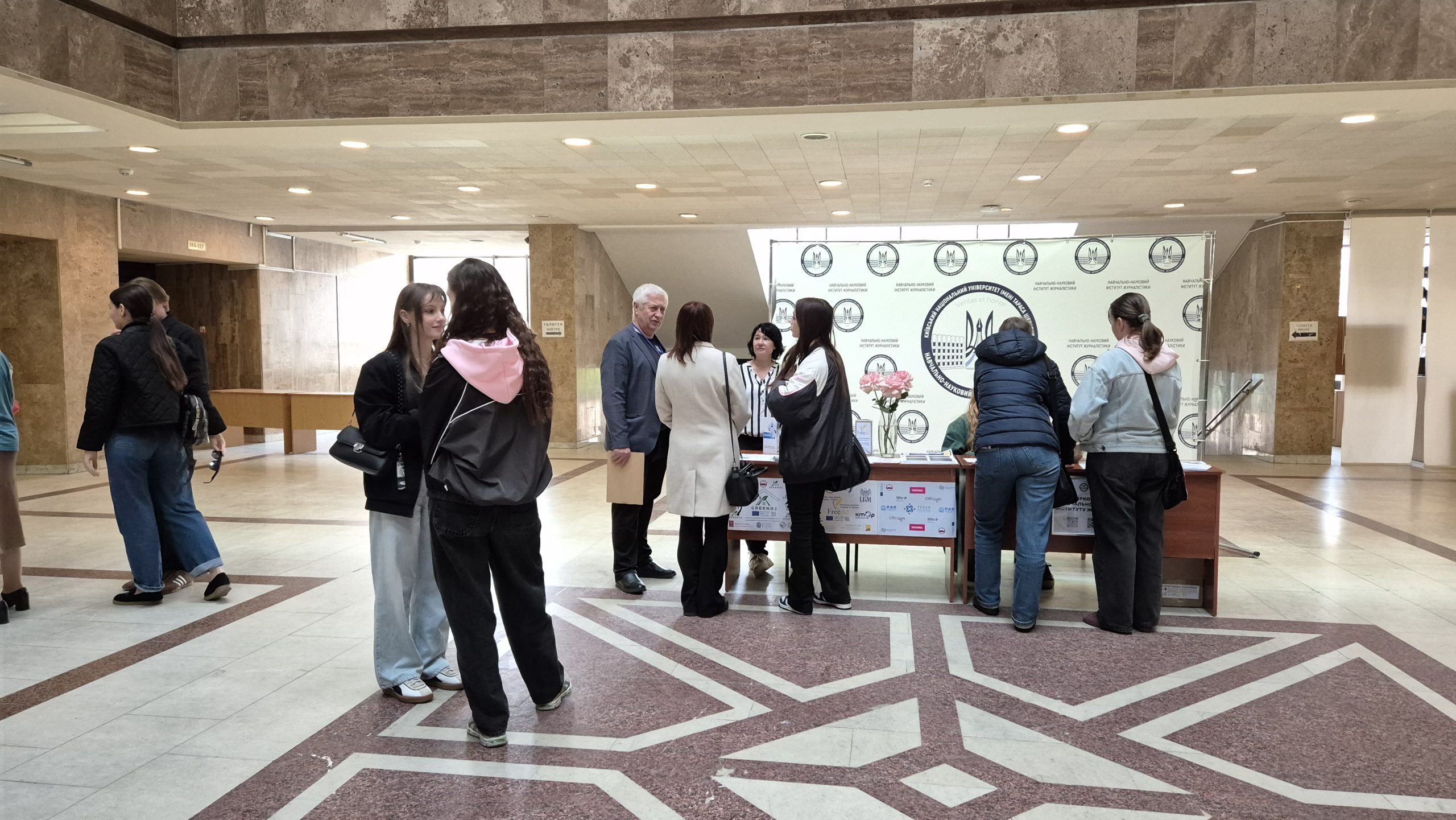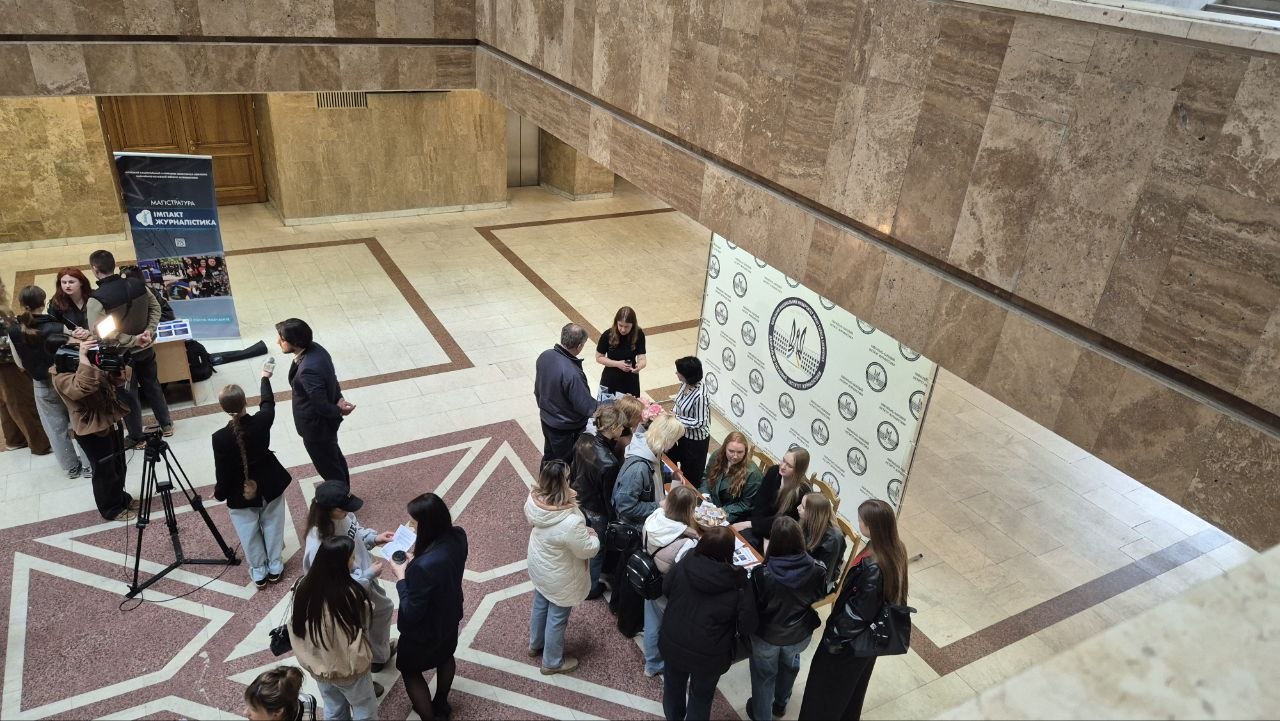
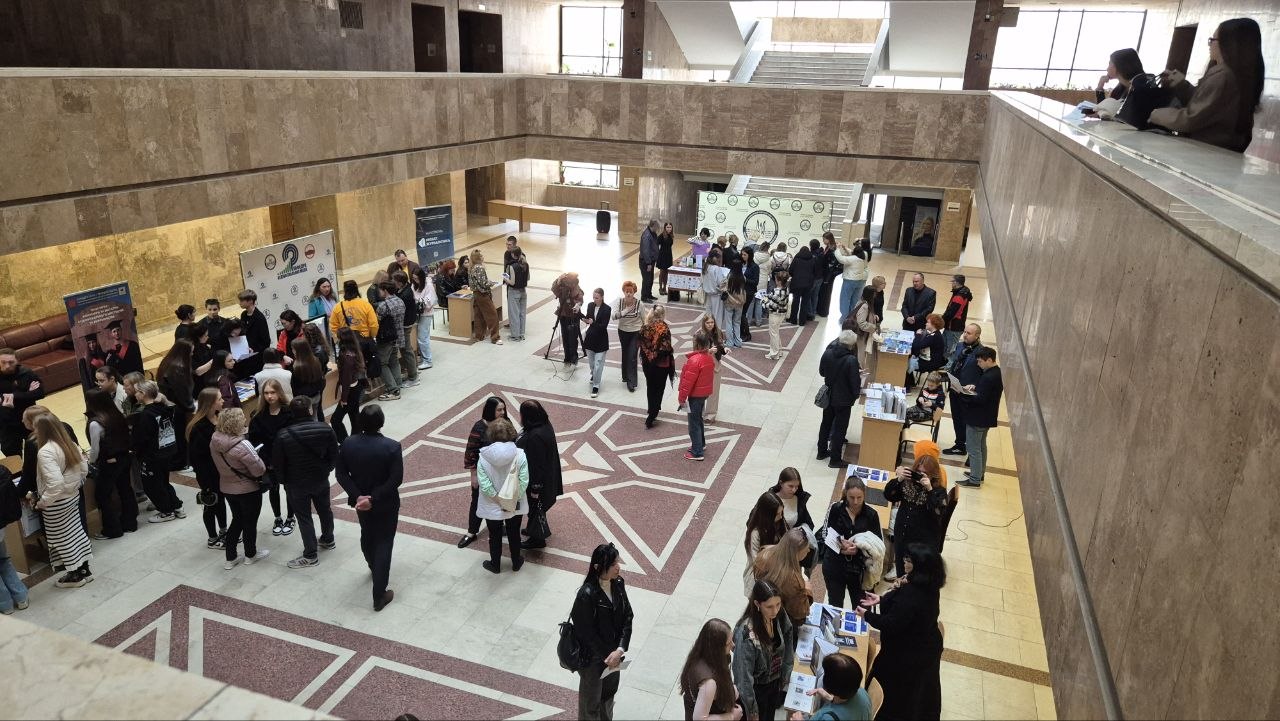
On 28 March 2026, as part of the Open Day at the Educational and Scientific Institute of Journalism of Taras Shevchenko National University of Kyiv, a large-scale information and awareness campaign was held to mark the launch of the innovative international Erasmus+ project TESAR – “Training for Early-Stage Researchers on Evidence-Informed Policymaking.”
The national event brought together prospective students, early-stage researchers, and media experts to highlight the role of evidence-informed analysis in modern public governance.
About the Project and Partnership
The TESAR project, implemented over a 30-month period (from September 2025 to February 2028), brings together leading European institutions. The initiative is coordinated by the University of Southern Denmark (SDU).
The main objective of the project is to equip early-stage researchers with skills in Evidence-Informed Policymaking (EIPM) and Science for Policy (S4P).
New Opportunities for Early-Stage Researchers
During the presentation at the Institute of Journalism in Kyiv, particular attention was given to the practical components of the project, implemented through five work packages:
– Training and Certification: Development of specialized modules, joint online training sessions, and in-person workshops to support researchers’ career development.
– Simulation Environment: Creation of an innovative platform for practicing the development of policy briefs based on real-world challenges.
– AI Integration: Implementation of artificial intelligence tools in decision-making processes, including the development of a prompt repository to support evidence-informed policymaking.
Sustainability and Future Development
An important part of the event was the discussion of plans to sign Memoranda of Understanding to institutionalize EIPM training, as well as the launch of a video campaign aimed at raising public awareness.
Participation of the Institute of Journalism in the TESAR project provides students and academic staff with access to advanced European methodologies. This will contribute to training professionals capable of effectively bridging scientific research and the real needs of public governance.